Unlocking the Secrets of Mood Stones: A Guide to Understanding Their Power
Introduction
Mood stones have captivated people for centuries, offering a fascinating intersection between spirituality, science, and personal wellness. These remarkable gemstones and crystals are believed to possess unique energetic properties that can influence our emotional states, physical well-being, and spiritual growth. Whether you're a seasoned crystal enthusiast or a curious newcomer to the world of holistic healing, understanding mood stones can open doors to deeper self-awareness and personal transformation.
The concept of mood stones extends beyond mere superstition. Many cultures throughout history have recognized the profound connection between natural minerals and human consciousness. From ancient civilizations to modern wellness practitioners, the use of mood stones has remained a consistent thread in humanity's quest for balance and harmony. This comprehensive guide will explore the multifaceted world of mood stones, examining their origins, properties, applications, and the science behind their purported effects.
The History and Origins of Mood Stones
Ancient Civilizations and Crystal Healing
The use of stones for healing and spiritual purposes dates back thousands of years. Ancient Egyptians, for instance, were among the first documented cultures to utilize crystals and gemstones in their healing practices. They believed that different stones possessed distinct vibrational frequencies that could influence the body's energy centers, known as chakras. The Egyptians used lapis lazuli, turquoise, and carnelian in amulets and talismans, believing these stones could protect their wearers and promote physical and emotional well-being.
Similarly, ancient Chinese medicine incorporated jade and other stones into their healing protocols. Jade was considered a stone of balance and harmony, used to promote longevity and spiritual enlightenment. The Chinese believed that jade could calm the mind, enhance wisdom, and facilitate emotional healing. These early practices laid the foundation for what would eventually evolve into the modern understanding of mood stones and their applications.
Medieval and Renaissance Perspectives
During the Middle Ages and Renaissance periods, the belief in the healing power of stones became even more widespread. Lapidaries, which were texts describing the properties of stones, became popular among scholars and healers. These documents detailed the supposed medicinal and spiritual benefits of various gemstones, creating a comprehensive system of crystal healing that influenced European and Middle Eastern cultures.
Medieval physicians often prescribed specific stones to their patients, believing that wearing or ingesting powdered stones could cure ailments ranging from fever to melancholy. While many of these practices were based on superstition rather than scientific evidence, they represented humanity's enduring belief in the connection between natural materials and human health.
Modern Revival and Contemporary Understanding
The modern revival of interest in mood stones and crystal healing began in the twentieth century, gaining significant momentum during the New Age movement of the 1960s and 1970s. As people began seeking alternatives to conventional medicine and exploring spiritual practices from various cultures, mood stones and crystals experienced a renaissance. Today, the market for mood stones and healing crystals is a multi-billion dollar industry, with practitioners and enthusiasts worldwide incorporating these stones into their daily wellness routines.
Understanding Mood Stones: What Are They?
Definition and Characteristics
Mood stones, also known as mood rings or mood crystals, are gemstones and minerals believed to change color or appearance in response to the wearer's emotional state or body temperature. The most common type of mood stone is the mood ring, which contains thermochromic liquid crystals that shift colors based on temperature fluctuations. However, the broader category of mood stones encompasses various crystals and gemstones that are believed to resonate with different emotional states and energetic frequencies.
These stones are typically categorized by their color, as color is believed to correspond with specific emotional and energetic properties. For example, blue stones are often associated with calm and communication, while red stones are linked to passion and vitality. The color associations are rooted in ancient traditions and modern energy healing practices, creating a comprehensive system for selecting appropriate stones for specific emotional needs.
The Science Behind Color and Energy
While the metaphysical properties of mood stones are not scientifically proven, there is legitimate science behind why colors affect our emotions and perception. Color psychology is a well-established field that demonstrates how different colors influence mood, behavior, and cognitive function. Blue, for instance, has been shown to promote relaxation and reduce anxiety, while red can increase energy and stimulate passion.
The crystalline structure of gemstones also has measurable properties. Crystals have a regular, repeating atomic structure that creates specific geometric patterns. Some researchers propose that these geometric patterns may interact with the body's biofield or energy system, though this remains a topic of scientific debate. Regardless of the mechanism, many people report experiencing genuine emotional and physical benefits from working with mood stones, suggesting that the effects may be a combination of placebo response, color psychology, and personal intention.
Popular Mood Stones and Their Properties
Amethyst: The Stone of Tranquility
Amethyst is one of the most popular and widely recognized mood stones. This purple variety of quartz is believed to promote calmness, spiritual awareness, and emotional balance. Many people use amethyst to reduce stress and anxiety, improve sleep quality, and enhance meditation practices. The stone's purple color is associated with the crown chakra, which is believed to govern spiritual connection and higher consciousness.
In crystal healing traditions, amethyst is often recommended for individuals experiencing emotional turmoil, insomnia, or spiritual disconnection. The stone is said to work by raising the vibrational frequency of the wearer, promoting a state of inner peace and clarity. Whether through its beautiful color, the power of suggestion, or genuine energetic properties, amethyst has earned its reputation as a powerful tool for emotional regulation and spiritual growth.
Rose Quartz: The Stone of Love and Compassion
Rose quartz, with its gentle pink hue, is universally recognized as the stone of love and compassion. This variety of quartz is believed to open the heart chakra, promoting self-love, forgiveness, and emotional healing. Many people carry rose quartz to enhance their capacity for love, both toward themselves and others, and to facilitate healing from emotional wounds.
The stone is particularly popular among individuals working through relationship issues, grief, or low self-esteem. Rose quartz is said to work by softening emotional barriers and promoting vulnerability and authenticity. Its gentle energy makes it an excellent choice for those beginning their journey with mood stones, as it is believed to be one of the most nurturing and supportive crystals available.
Citrine: The Stone of Abundance and Joy
Citrine, a golden-yellow variety of quartz, is known as the stone of abundance and joy. This vibrant stone is believed to attract prosperity, enhance creativity, and promote optimism and positive thinking. Many entrepreneurs and creative professionals use citrine to boost their confidence and manifest success in their endeavors.
The stone's warm, sunny color naturally evokes feelings of happiness and warmth. In crystal healing traditions, citrine is associated with the solar plexus chakra, which governs personal power and manifestation. People working with citrine often report increased motivation, improved mood, and a greater sense of possibility and potential in their lives.
Lapis Lazuli: The Stone of Truth and Wisdom
Lapis lazuli, with its deep blue color and golden pyrite inclusions, has been valued for thousands of years as a stone of truth, wisdom, and spiritual insight. This stone is believed to enhance intuition, promote clear communication, and facilitate access to higher knowledge and understanding. Many spiritual seekers and truth-seekers are drawn to lapis lazuli for its association with the third eye and throat chakras.
In ancient Egypt, lapis lazuli was considered a sacred stone, used in amulets and jewelry by pharaohs and priests. Today, people continue to use this powerful stone to deepen their spiritual practice, enhance their intuitive abilities, and access deeper truths about themselves and the world around them.
Black Tourmaline: The Stone of Protection
Black tourmaline is a powerful protective stone, believed to shield the wearer from negative energy and electromagnetic radiation. This dark, grounding stone is popular among individuals who feel sensitive to environmental energies or who work in high-stress environments. Black tourmaline is associated with the root chakra, promoting feelings of safety, security, and stability.
Many people place black tourmaline in their homes or workplaces to create a protective energetic boundary. The stone is also popular among those seeking to ground excess nervous energy and promote a sense of calm, centered presence. Its dark color and dense structure make it a powerful ally for anyone seeking to establish stronger emotional and energetic boundaries.
Emerald: The Stone of Heart Healing and Growth
Emerald, with its lush green color, is associated with the heart chakra and is believed to promote emotional healing, growth, and renewal. This precious stone is said to enhance compassion, deepen relationships, and facilitate personal transformation. Emerald is particularly popular among those seeking to heal from heartbreak or to cultivate greater emotional depth and authenticity in their relationships.
The stone's connection to nature and growth makes it an excellent choice for those undergoing significant life transitions or personal development work. Many people use emerald to support their journey toward greater emotional maturity and authentic self-expression.
How Mood Stones Work: Theories and Mechanisms
The Chakra System and Energy Flow
One of the primary frameworks through which mood stones are understood is the chakra system, an ancient concept originating from Hindu and Buddhist traditions. According to this system, the human body contains seven main energy centers, or chakras, that correspond to different physical, emotional, and spiritual aspects of our being. Each chakra is associated with a specific color and set of emotional and spiritual qualities.
Mood stones are believed to work by resonating with and balancing these chakras. When a chakra is blocked or imbalanced, it is thought to manifest as physical illness, emotional distress, or spiritual disconnection. By working with stones that correspond to specific chakras, practitioners believe they can clear blockages, restore balance, and promote healing and growth.
For example, if someone is experiencing difficulty with self-expression and communication, they might work with blue stones like aquamarine or lapis lazuli, which are associated with the throat chakra. Similarly, someone experiencing emotional pain or relationship difficulties might use rose quartz or emerald to open and heal the heart chakra.
Vibrational Frequency and Resonance
Another theory explaining how mood stones work involves the concept of vibrational frequency. According to this perspective, all matter, including crystals and the human body, vibrates at specific frequencies. Crystals, with their highly organized atomic structure, are believed to vibrate at stable, consistent frequencies. When a person comes into contact with a crystal, the theory suggests that the crystal's vibration can influence the person's own vibrational frequency, promoting healing and balance.
This concept is related to the scientific phenomenon of resonance, where objects vibrating at similar frequencies can influence each other. While the application of resonance theory to crystal healing remains unproven scientifically, many practitioners report experiencing genuine shifts in their emotional and physical state when working with mood stones.
The Placebo Effect and Intention
A significant portion of the benefits attributed to mood stones may be explained by the placebo effect and the power of intention. The placebo effect is a well-documented phenomenon in which a person experiences genuine healing or symptom relief simply because they believe they will. When someone selects a mood stone with the intention of promoting emotional healing or balance, their belief in the stone's power may activate their own innate healing mechanisms.
Additionally, the act of consciously selecting and working with a mood stone often involves setting an intention or focusing attention on a specific emotional or spiritual goal. This focused attention and intention-setting can be powerful tools for personal transformation, regardless of whether the stone itself possesses inherent healing properties. Many practitioners view mood stones as tools for focusing intention and attention rather than as magical objects with independent healing power.
Color Psychology and Emotional Response
The effects of mood stones may also be partially explained by color psychology, the study of how colors influence human emotion and behavior. Different colors have been scientifically shown to affect mood, perception, and cognitive function. Blue promotes calmness and reduces anxiety, green is associated with balance and healing, and red stimulates energy and passion.
When someone works with a mood stone, they are not only engaging with the stone's purported energetic properties but also with its color. The color itself may influence their emotional state through well-established psychological mechanisms. This suggests that mood stones may work through a combination of color psychology, placebo effect, intention-setting, and possibly genuine energetic properties.
Practical Applications: How to Use Mood Stones
Wearing Mood Stones as Jewelry
One of the most popular ways to work with mood stones is to wear them as jewelry. Mood rings, necklaces, bracelets, and earrings allow you to keep the stone's energy close to your body throughout the day. When selecting a mood stone to wear, consider which emotional or spiritual qualities you wish to cultivate or enhance.
For example, if you're working on developing greater confidence and personal power, you might wear citrine or tiger's eye. If you're seeking to deepen your spiritual practice and intuition, you might choose amethyst or lapis lazuli. The key is to select a stone that resonates with your current emotional or spiritual needs and intentions.
Meditation with Mood Stones
Meditation is another powerful way to work with mood stones. During meditation, you can hold a stone in your hand, place it on your body, or position it in front of you. As you meditate, focus your attention on the stone and set an intention for your practice. Many people find that meditating with a mood stone deepens their practice and facilitates access to deeper states of consciousness and insight.
To meditate with a mood stone, find a quiet, comfortable space where you won't be disturbed. Hold the stone in your hand or place it on your body, close your eyes, and focus on your breath. As thoughts arise, gently return your attention to your breath and the stone. You might visualize the stone's color filling your body with its associated qualities, such as peace, love, or clarity.
Creating Sacred Spaces with Mood Stones
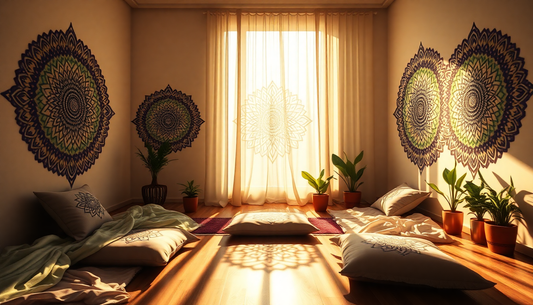
Many people use mood stones to create sacred spaces in their homes or workplaces. Placing stones in specific locations can help establish an energetic environment that supports your emotional and spiritual well-being. For example, placing amethyst in your bedroom may promote restful sleep, while citrine in your workspace may enhance creativity and productivity.
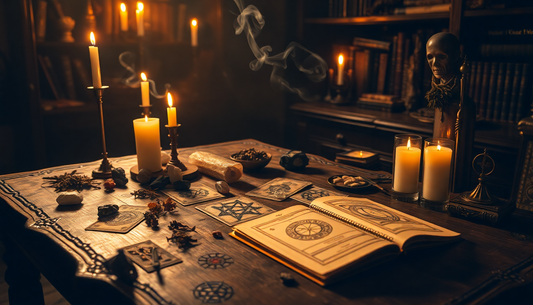
When creating a sacred space with mood stones, consider the purpose of the space and select stones that support that purpose. You might create an altar with multiple stones, arrange them in a grid pattern, or simply place them in locations where you'll see them throughout the day. The act of intentionally arranging your space with mood stones can serve as a constant reminder of your emotional and spiritual intentions.
Crystal Grids and Geometric Arrangements
Crystal grids involve arranging multiple stones in specific geometric patterns to amplify their combined energy and manifest a particular intention. Common grid patterns include the flower of life, the sacred geometry, and other geometric designs believed to have spiritual significance.
To create a crystal grid, select stones that correspond to your intention, arrange them in your chosen pattern, and place a central stone in the middle. You might then activate the grid by tracing the pattern with your finger or a wand while focusing on your intention. Many practitioners report that crystal grids are particularly powerful tools for manifestation and healing.
Carrying Mood Stones in Your Pocket or Bag
A simple but effective way to work with mood stones is to carry them with you throughout the day. Keeping a small stone in your pocket or bag allows you to touch it whenever you need a reminder of your intention or a boost of its associated qualities. Many people find that simply touching their mood stone during moments of stress or uncertainty provides comfort and grounding.
Sleeping with Mood Stones
Placing mood stones under your pillow or on your nightstand can influence your dreams and sleep quality. Many people use amethyst or other calming stones to promote restful sleep and peaceful dreams. Some practitioners believe that working with mood stones during sleep allows for deeper subconscious healing and processing.
Selecting the Right Mood Stone for Your Needs
Identifying Your Emotional or Spiritual Goals
The first step in selecting a mood stone is to identify what emotional or spiritual qualities you wish to cultivate or enhance. Are you seeking greater peace and calm? Do you want to open your heart and deepen your capacity for love? Are you working on building confidence and personal power? Once you've identified your goal, you can select a stone that corresponds to that intention.
Trusting Your Intuition
While understanding the traditional properties of mood stones is helpful, many practitioners emphasize the importance of trusting your intuition when selecting a stone. You might be drawn to a particular stone for reasons you can't fully explain. This intuitive attraction often indicates that the stone is exactly what you need at that moment in your life.
When shopping for mood stones, take time to hold different stones and notice how you feel. Which stones make you feel calm, energized, or emotionally moved? Your intuitive response to a stone is often a reliable guide to selecting the right one for your current needs.
Considering Your Current Life Circumstances
Your current life circumstances should also influence your stone selection. If you're going through a period of significant stress or emotional upheaval, you might choose grounding and protective stones like black tourmaline or hematite. If you're in a period of growth and expansion, you might select stones that support transformation and new beginnings, such as citrine or clear quartz.
Exploring Multiple Stones
Many practitioners recommend working with multiple stones rather than relying on a single stone. Different stones offer different benefits, and combining stones can create a more comprehensive approach to emotional and spiritual well-being. You might create a collection of stones that address different aspects of your emotional and spiritual life.
Cleansing and Charging Your Mood Stones
Why Cleansing Is Important
Just as our bodies